Leave Your Message

Top 10 Benefits of Using Food Plastic Wrap for Freshness and Storage?

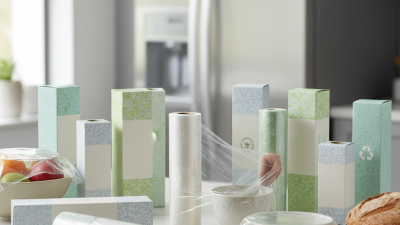
Food Plastic Wrap is a kitchen essential for many households. It offers a range of benefits that contribute to food freshness and effective storage. This versatile product is designed to cling tightly to food items, creating an airtight seal that helps to extend shelf life.

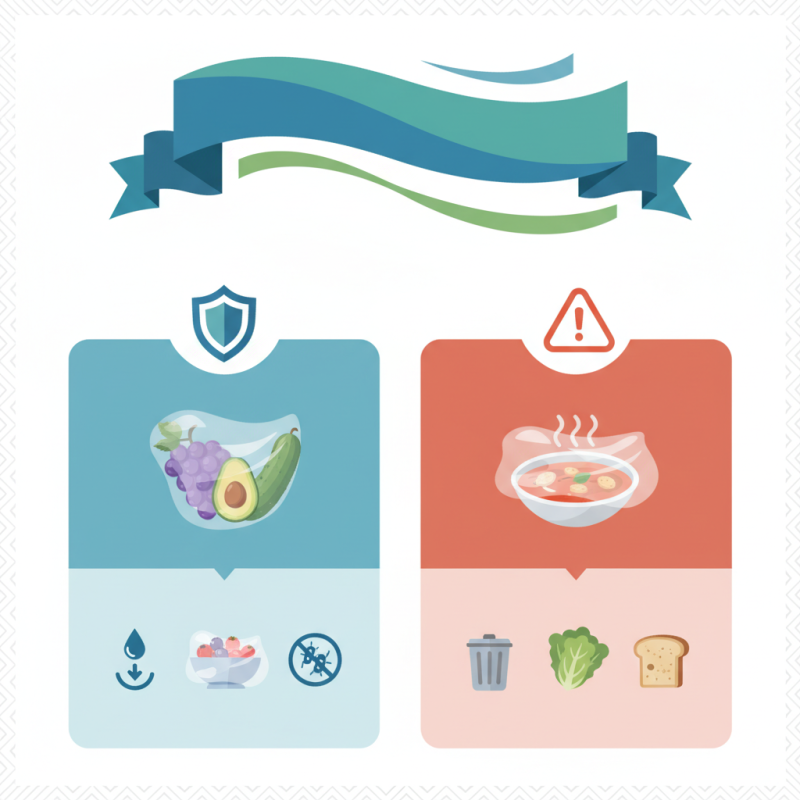
Using Food Plastic Wrap can prevent moisture loss in fruits and vegetables. It also acts as a barrier against contaminants, keeping your food safe longer. However, it’s important to know that not all food items are compatible with this wrap. For instance, hot food can cause the wrap to melt or release chemicals. This is a detail that requires careful consideration.

In the hustle of preparing meals, one might overlook the implications of improper usage. While Food Plastic Wrap has its advantages, it's essential to use it wisely. The benefits are impressive, but the drawbacks of misuse can result in waste or spoilage.
Top 10 Benefits of Using Food Plastic Wrap for Freshness and Storage?

Benefits of Food Plastic Wrap in Extending Shelf Life of Perishables

Top 10 Benefits of Using Food Plastic Wrap for Freshness and Storage?

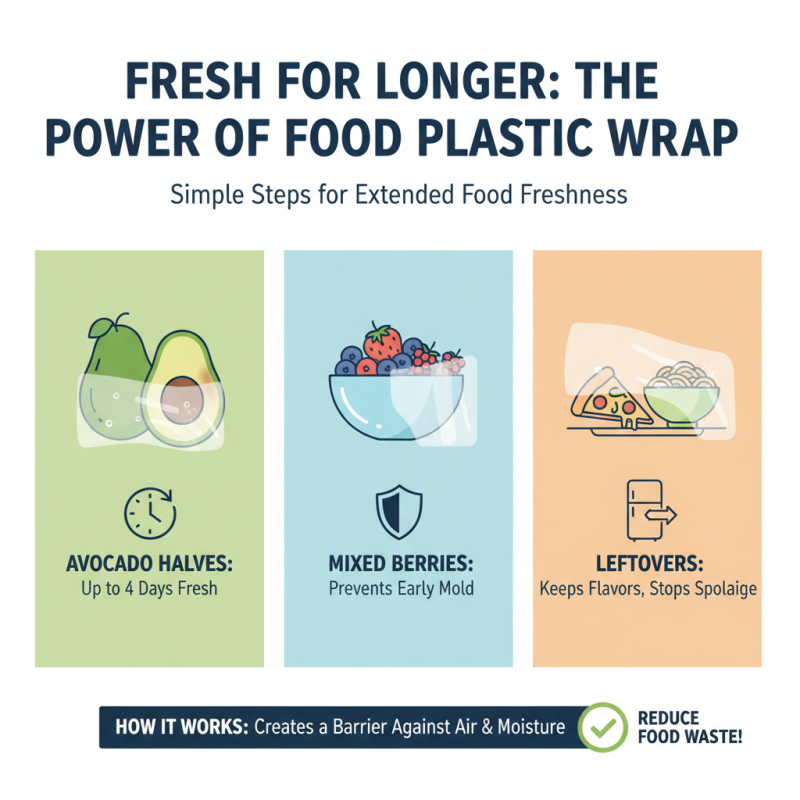
Food plastic wrap serves as a simple yet effective tool to extend the shelf life of perishables. It forms a tight seal around fruits, vegetables, and leftovers. This minimizes exposure to air, which can cause spoilage. When wrapped properly, a half-eaten avocado can stay fresh for days. Similarly, wrapped berries are less likely to get moldy too soon.

Humidity control is another key benefit. Food plastic wrap can trap moisture without creating a soggy environment. This is particularly useful for leafy greens. However, improper wrapping can lead to moisture buildup. That might result in slimy lettuce instead of crisp freshness. One must find a balance when using this wrap.

It's essential to consider sustainability. While convenient, single-use wraps contribute to waste. Reusable alternatives are available but may not provide the same level of freshness. Consumers often grapple with these choices, weighing convenience against environmental impact. This reflection can lead to better practices in food storage.

Impact on Flavor Retention Through Effective Sealing Techniques

Food plastic wrap plays a crucial role in keeping your meals fresh. When used effectively, it seals in flavor and moisture. This impact on flavor retention is remarkable. A tight seal prevents air from entering, slowing down spoilage. Without proper sealing, foods can dry out or absorb unwanted odors.

One common mistake is not pressing the wrap tightly against the food. This small oversight can lead to flavor loss. Be sure to eliminate air pockets. Wrap your food in layers if necessary. Check for leaks, especially for items like cheeses or fruits.

Here’s a tip: Use a damp cloth to clean the surface before wrapping. This helps the plastic adhere better. Another idea is to double wrap items prone to drying, like herbs or cut vegetables. These extra steps in sealing can make a real difference in maintaining fresh tastes. Pay attention to your wrapping technique to truly appreciate your meals.

Reduction of Food Waste Through Efficient Storage Solutions

Food waste is a significant issue in households worldwide. Many people are unaware of how proper storage can reduce waste. Food plastic wrap plays a crucial role in enhancing the longevity of fresh ingredients. It seals in moisture, preventing spoilage and helping your groceries last longer.

Using food plastic wrap means less food goes to waste. Think about that half avocado left in the fridge. A tight wrap can keep it fresh for another day or two. Vegetables and fruits also benefit from being wrapped, as it keeps them crisp. However, not everyone wraps efficiently. Some leaves more exposed than necessary, which defeats the purpose.

It’s essential to reflect on our storage habits. Are you using enough wrap? Are leftovers properly covered? Remember, even a small change can make a difference. Reducing food waste is not just beneficial for the environment but also for our wallets. Making simple adjustments like using plastic wrap can promote better food safety and freshness.

Top 10 Benefits of Using Food Plastic Wrap for Freshness and Storage

Benefit Description Effect on Food Waste
Enhanced Freshness Preserves the moisture and reduces air exposure. Decreases spoilage of perishable items.
Versatile Storage Suitable for a variety of food types and items. Minimizes the need for multiple containers.
Easy to Use Simplicity in wrapping and sealing food. Encourages better food storage habits.
Cost-Effective Affordable solutions for food preservation. Reduces overall food costs through waste reduction.
Odor Protection Prevents mixing of odors between different foods. Maintains the quality and freshness of food.
Microwave Safe Can be used for reheating without damage. Encourages saving leftovers, reducing waste.
Freezer Friendly Suitable for long-term food storage in the freezer. Prevents freezer burn and waste.
Lightweight and Compact Saves space in storage areas compared to rigid containers. Enables more efficient use of refrigerator space.
Eco-Friendly Options Biodegradable or recyclable plastic wraps available. Helps minimize environmental impact.
Visual Appeal Makes food look neat and presentable. Promotes consumption of stored food rather than waste.

Comparison of Plastic Wrap Types: Which Offers Optimal Freshness?

When choosing food plastic wrap, consider the type that best maintains freshness. There are two popular kinds: PVC and polyethylene. PVC is often more effective at sealing tightly, preventing air from reaching food. It clings well to various surfaces, making it ideal for wrapping fruits and veggies. However, it can be less breathable. This may lead to moisture buildup, which could spoil items faster if not monitored.

Polyethylene wrap, on the other hand, is known for its versatility. It's generally a more breathable option, allowing steam to escape. This can keep certain foods, like leftovers, fresher for longer. But, it doesn’t cling as tightly. Users often find themselves frustrated when trying to get a smooth seal. Sometimes, it can be a bit tedious to keep it in place while wrapping.

Ultimately, your choice will depend on your specific needs. Some wraps may keep food fresh but require more careful handling. It’s worth experimenting with different types to find what works best for your storage habits. Be mindful of how each option changes over time; situations can shift as your kitchen dynamics evolve.

Environmental Considerations: Recyclability and Sustainability of Food Wraps

Top 10 Benefits of Using Food Plastic Wrap for Freshness and Storage?

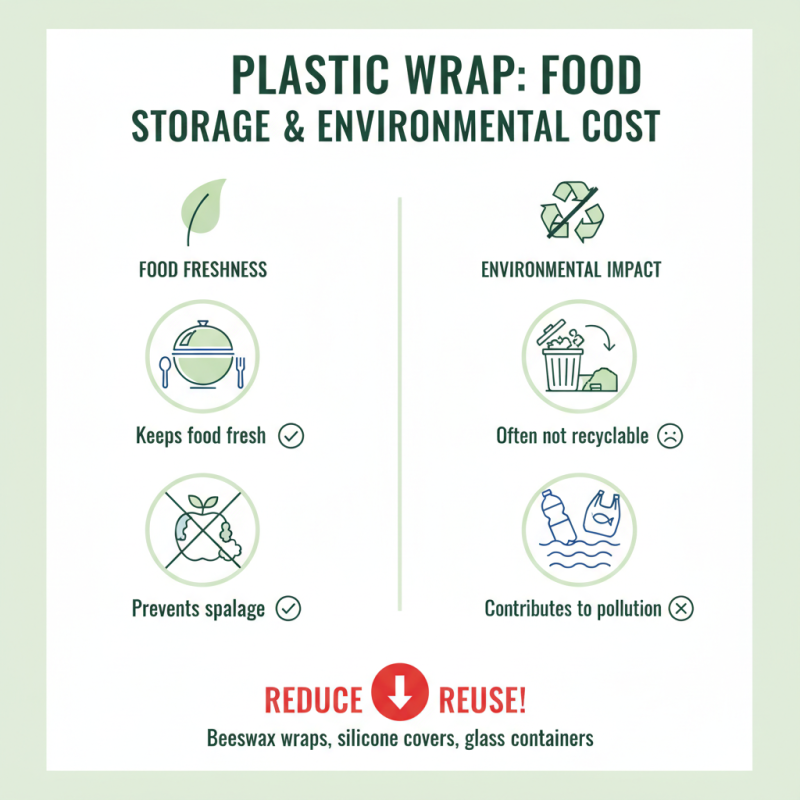
Plastic wrap is a common choice for food storage. It keeps items fresh and prevents spoilage. However, we must consider its environmental impact. Many plastic wraps are not recyclable. They often end up in landfills, contributing to pollution.

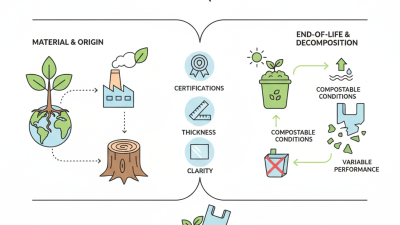
Biodegradable options exist. These wraps can break down over time, reducing waste. But they often cost more and may not perform as well. The convenience of regular plastic wrap is appealing. Yet, the long-term effects on our planet are concerning.

Sustainability is a growing focus for many consumers. It's essential to balance freshness and environmental responsibility. Reusable wraps made from materials like beeswax are gaining popularity. They provide a sustainable alternative. However, they might require more effort in cleaning and maintenance. Finding the right balance is an ongoing challenge.