Best Degradable Bags for Eco-Friendly Packaging Solutions?
As global environmental concerns grow, the demand for sustainable packaging solutions is increasing. According to a report by Smithers Pira, the market for biodegradable materials, including degradable bags, is expected to reach $400 billion by 2025. This shift underscores the urgency for businesses to adopt eco-friendly practices. Degradable bags offer an effective alternative to traditional plastics, which can take centuries to break down.
The features of degradable bags vary widely. Some are made from cornstarch, while others use recycled plastic. The effectiveness of these materials often depends on the conditions in which they are disposed of. Many consumers are still unaware of the distinctions among types. This lack of understanding can lead to improper disposal methods, questioning the real impact of using degradable bags.
While the potential benefits of using degradable bags are significant, challenges remain. Not all degradable bags perform equally under different environmental conditions. Misleading labels contribute to consumer confusion. It’s crucial for businesses and consumers alike to be informed and mindful of their choices in packaging. The journey towards sustainability is ongoing, and constant reflection on packaging methods is necessary.
Definition and Importance of Degradable Bags in Eco-Friendly Packaging
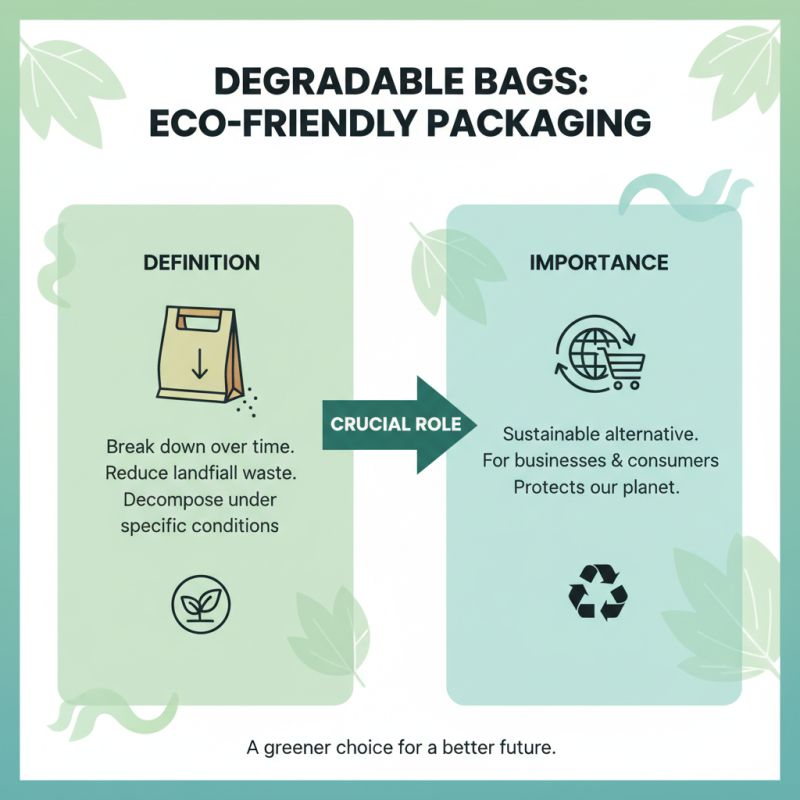
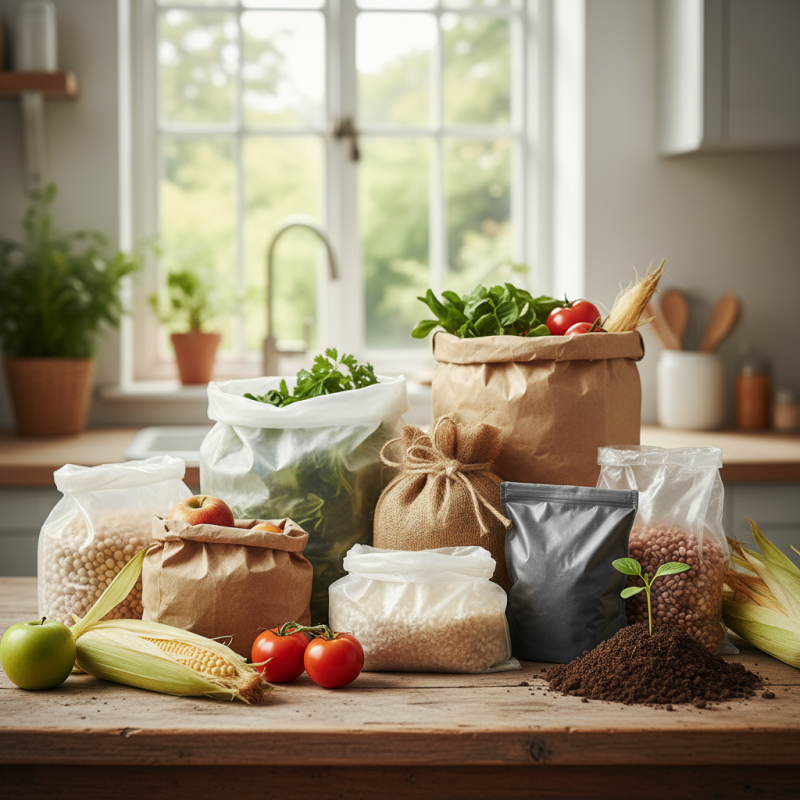
Degradable bags play a crucial role in eco-friendly packaging. They are designed to break down over time, reducing waste in landfills. Unlike traditional plastic bags, these alternatives decompose under specific conditions. This makes them a more sustainable choice for businesses and consumers alike.
Understanding the importance of degradable bags is essential for modern packaging solutions. They help minimize environmental impact while offering practicality. Many consumers are becoming more conscious of their choices. Choosing degradable bags can reflect a commitment to sustainability.
Despite their benefits, degradable bags are not perfect. Some may not break down effectively in all environments. Consumer education is vital to ensure proper disposal methods. This is an area that requires further attention and improvement. Society must reflect on packaging habits to promote better alternatives for the planet.
Types of Degradable Materials Used in Bag Production
In recent years, the demand for eco-friendly packaging has surged. Many companies are exploring degradable materials for bag production. These materials aim to reduce environmental impact. They often decompose over time, unlike traditional plastics that persist for centuries.
Bioplastics, often derived from plant materials, represent a significant portion of the market. According to a report by the Bioplastics Industry Association, they accounted for approximately 1.5 million metric tons in 2022. Starch-based bioplastics are common due to their cost-effectiveness and ability to degrade in composting facilities. However, their environmental benefits depend largely on proper disposal methods.
Another popular option is compostable polymers. These materials break down into natural substances in the composting process. A study published in the Journal of Cleaner Production found that compostable bags can reduce greenhouse gas emissions by up to 60%. Still, not all compostable products degrade properly in typical landfill settings. This inconsistency raises questions about their overall efficacy in reducing waste.
Comparative Analysis of Popular Brands Offering Degradable Bags
The growing concern for environmental sustainability has propelled the development of degradable bags. A comparative analysis of popular brands reveals diverse options, each with unique claims and characteristics. Many manufacturers highlight that their bags can break down naturally over a short period. However, the actual degradation rates often depend on specific conditions, which are not always disclosed.
Recent studies indicate that only 9% of plastics are genuinely recycled. This statistic underscores the urgency for alternatives like degradable bags. Some brands assert that their products decompose within six months in commercial composting facilities. Yet, this may not apply in home compost setups. Additionally, not all degradable bags are the same; some use biodegradable additives, while others rely solely on plant-based materials. Such differences can lead to confusion among consumers.
In terms of environmental impact, many degradable bags still require energy to produce. This raises questions about their overall sustainability. Reports suggest that consumers should investigate certifications and material sources. Transparency is crucial for making informed choices. Some bags may not degrade as promised, leading to increased litter problems. The market continues to evolve, but consumers must remain vigilant about the claims made by manufacturers.
Best Degradable Bags for Eco-Friendly Packaging Solutions
| Bag Type |
Material |
Average Degradation Time |
Strength Rating |
Price Range |
| Biodegradable Grocery Bags |
Corn Starch |
90-180 days |
High |
$0.10 - $0.30 |
| Compostable Trash Bags |
PLA (Polylactic Acid) |
60-90 days |
Medium |
$0.20 - $0.50 |
| Degradable Mailer Bags |
PBAT (Polybutylene Adipate Terephthalate) |
180-365 days |
Very High |
$0.40 - $1.00 |
| Reusable Degradable Bags |
Cotton & Jute |
2-5 years |
Very High |
$1.00 - $3.00 |
Benefits of Using Degradable Bags for Businesses and Consumers
Degradable bags offer numerous benefits for both businesses and consumers. For businesses, opting for these bags can showcase a commitment to sustainability. This is appealing to eco-conscious customers. Such a choice can help enhance brand loyalty, as many consumers prefer companies that are environmentally responsible.
For consumers, using degradable bags is a direct way to reduce plastic waste. These bags break down faster than traditional plastic. This means less pollution in landfills and oceans. Imagine walking through a park with less litter. It feels good, doesn’t it? However, not all degradable bags are created equal. They may still require specific conditions to decompose effectively. This points to the need for careful labeling and education about disposal methods.
Additionally, the price of degradable bags can be higher than regular plastic options, which may deter some businesses. They may wonder if customers will pay extra. The truth is, the long-term environmental benefits can outweigh the costs. The shift towards eco-friendly packaging isn't just a trend. It is becoming a necessity in our consumer-driven society.
Future Trends in Degradable Packaging Solutions and Innovations
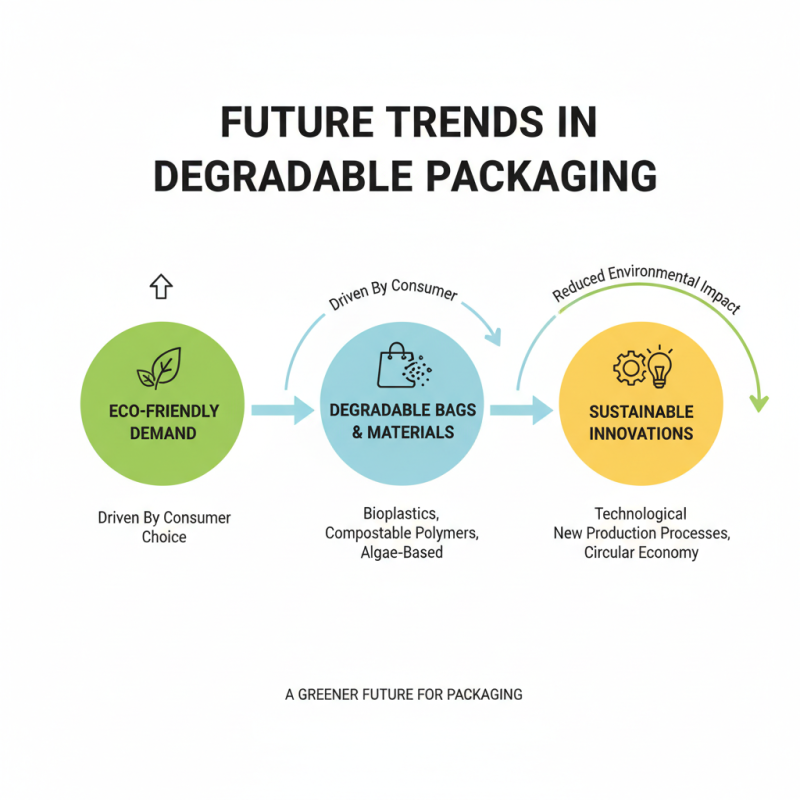
The demand for eco-friendly packaging solutions is rising. Degradable bags are at the forefront of this movement. Innovations in materials and production processes are transforming how we think about packaging. As consumers become more environmentally conscious, the need for sustainable options is clear.
Next-generation degradable materials, such as bioplastics, offer promising alternatives. These materials break down faster than traditional plastics. They can reduce landfill waste significantly. However, not all degradable options are created equal. Some still leave microplastics behind, raising concerns.
Tips for choosing degradable packaging: Look for certifications on products. Not all claims are equal; verify their compliance. Explore biodegradable options that can return to nature without leaving harmful residues. Stay informed about new developments in the field. Engaging with communities focused on sustainable practices will enrich your understanding.
The future of degradable bags relies on innovation and consumer awareness. Companies must adapt to these changing demands to stay relevant. Mistakes will happen, and some innovations may not deliver as promised. Staying open to feedback can lead to better solutions.