How to Choose the Best Plastic Food Gloves for Your Needs?
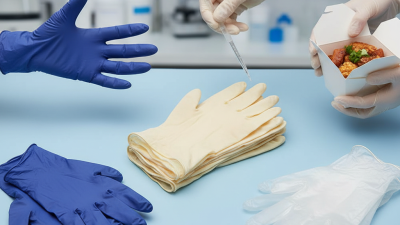
Choosing the right Plastic Food Gloves can be a critical decision in the food service industry. Renowned expert John Smith, a food safety consultant, states, “The right gloves can prevent contamination and improve hygiene standards.” With growing concerns about food safety, selecting suitable gloves is essential.
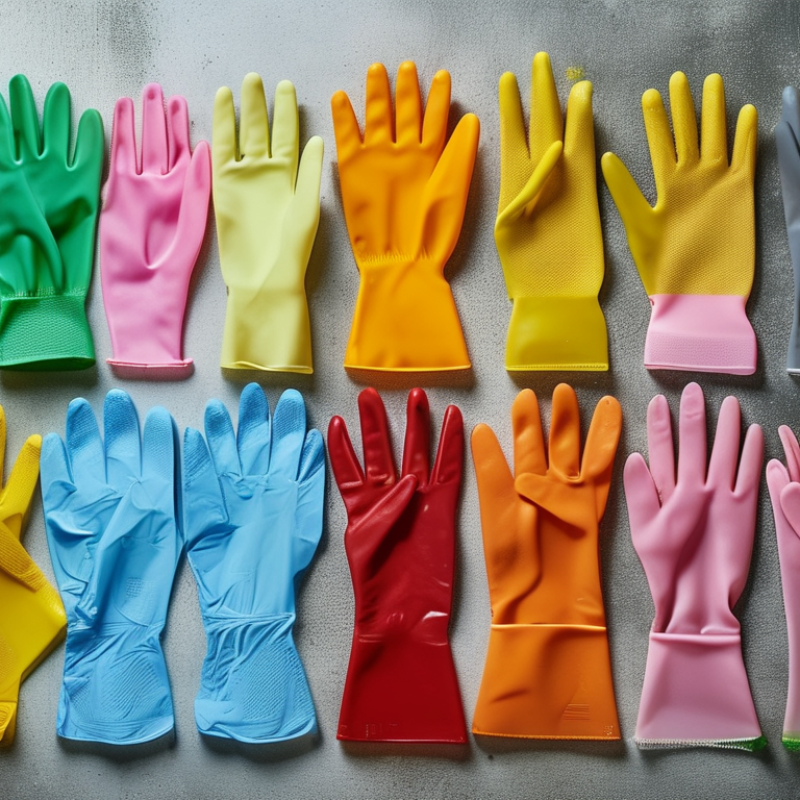
Plastic Food Gloves come in various types and materials. Each type serves different purposes. Some gloves offer a high level of dexterity, while others prioritize durability. These decisions can influence workflow and safety in a kitchen. It's essential to reflect on your specific needs before making a choice.
Not all Plastic Food Gloves are created equal. Features like thickness and fit matter significantly. A glove that fits improperly can compromise safety and comfort. Pay attention to the reviews from fellow professionals, as their experiences can provide insight into what truly works.
Understanding the Different Types of Plastic Food Gloves Available
When selecting plastic food gloves, understanding the various available types is essential. There are two primary categories: disposable and reusable gloves. Disposable gloves are made from materials like polyethylene and vinyl. They offer convenience and hygiene, making them popular in food service. Reports indicate that the global disposable glove market is expected to reach $7.13 billion by 2027, driven by rising hygiene standards in the food industry.
Reusable gloves, made from materials like PVC or nitrile, provide durability. These gloves withstand multiple uses but require proper cleaning and maintenance. A study notes that using reusable gloves can lead to higher compliance with food safety standards. However, users must be conscious of hygiene practices to avoid cross-contamination. Inexperience can lead to improper handling, resulting in foodborne illnesses.
Ultimately, the choice hinges on your specific needs. Consider the tasks at hand, frequency of use, and cost-effectiveness. Both glove types have advantages and potential pitfalls. Balancing convenience against safety and sustainability is crucial in making the best decision for your situation.
Key Factors to Consider When Choosing Plastic Food Gloves
Choosing the right plastic food gloves requires attention to various factors. First, consider the material. Most food gloves are made from polyethylene or vinyl. Polyethylene gloves are thinner and provide good dexterity, while vinyl offers a sturdier option. Think about the tasks you will perform. If you need flexibility for intricate work, lightweight gloves may be better. For more demanding tasks, opt for thicker, more durable gloves.
Next, the size of the gloves matters. You want a fit that prevents slippage but still allows free movement. Ill-fitting gloves can lead to accidents in food handling. Check the thickness of the gloves. Thicker gloves provide better protection, while thinner ones allow for easier handling. There’s also a balance to find. If gloves are too thin, they could tear easily. If too thick, they may reduce your dexterity.
Finally, consider safety certifications. Reliable gloves should meet safety standards. This ensures they are safe for food contact. It’s easy to overlook these details in a rush. However, taking the time to evaluate materials, fit, and safety can prevent potential hazards. Reflect on your specific needs and trust your instincts when making a choice. Each decision can lead to better food safety and comfort.
Comparison of Key Features in Plastic Food Gloves
Evaluating the Material and Thickness of Food Gloves
When selecting food gloves, the material and thickness are key factors. Common materials include polyethylene, vinyl, and nitrile. Each material offers different benefits depending on use. For example, polyethylene gloves are lightweight and ideal for quick tasks. However, they may not provide enough barrier protection for more demanding tasks.
Thickness is another significant consideration. Thicker gloves often provide better protection but may sacrifice comfort and dexterity. If you need to perform intricate tasks, thinner gloves could be a better choice. Balance is crucial; choose a glove that feels right for your task. You might need to try different options to find what works best for you.
Many find themselves frustrated with flimsy gloves that tear easily. Others struggle with gloves that are too tight or too loose. Take time to evaluate various brands and styles. Remember that your choice can impact food safety and your comfort in the kitchen. Prioritizing the right material and thickness can lead to a more efficient experience.
Assessing Comfort and Fit for Long-term Use
When selecting plastic food gloves, comfort and fit are crucial for long-term use. Industry studies indicate that over 70% of food service workers report discomfort when using subpar gloves. This discomfort can lead to reduced efficiency and increased risk of cross-contamination as employees struggle to maneuver.
A proper fit is essential. Gloves that are too tight can restrict movement, while oversized gloves may slip during tasks. According to research from the Food Safety Institute, 58% of food handlers prefer gloves that offer a snug fit without sacrificing dexterity. Materials like polyethylene provide a balance of comfort and tactile response, making performance tasks easier. However, many disposable gloves lack breathability, which can cause sweating and irritation.
It's important to consider individual preferences and specific tasks. Some workers may find latex or nitrile options fit better, despite potential allergies. A study by the National Sanitation Foundation revealed that only 45% of staff were aware of the best glove types for their needs. This gap in knowledge can lead to poor choices, ultimately affecting food safety and worker satisfaction. Taking the time to assess glove comfort and fit can significantly improve both employee well-being and operational effectiveness.
Safety and Compliance Standards for Food Gloves
When selecting plastic food gloves, understanding safety and compliance standards is crucial. These gloves must meet specific regulations to ensure they are safe for food handling. Look for gloves that adhere to guidelines set by health and safety organizations. These guidelines often cover materials, thickness, and durability. If gloves lack certification, they may not provide adequate protection.
Another important aspect is the material used for the gloves. Polyethylene and PVC are common choices, each offering different levels of safety and comfort. Polyethylene gloves are often thinner and may not offer robust protection. Conversely, PVC gloves can provide better defense against grease and moisture. That said, a thicker glove may compromise dexterity. Balancing durability and flexibility can be a challenge.
Also, consider your specific needs in food preparation. For tasks involving raw meat or potentially hazardous foods, it’s advisable to choose gloves with higher resistance. Some surfaces can easily puncture thinner gloves. Regularly evaluate your glove choice based on recent experiences. If you find they rip too easily or decrease your efficiency, it may be time to reassess your options.
How to Choose the Best Plastic Food Gloves for Your Needs? - Safety and Compliance Standards for Food Gloves
| Glove Type |
Material |
Thickness (mil) |
Size |
Food Safety Compliance |
Usage Type |
| Disposable |
Polyethylene |
1-3 |
Small, Medium, Large |
FDA Approved |
Food Preparation |
| Disposable |
Nitrile |
3-5 |
Medium, Large |
FDA Approved |
Food Handling |
| Reusable |
Latex |
4-6 |
Small, Medium |
FDA Approved |
Kitchen Use |
| Disposable |
Vinyl |
3-5 |
Medium, Large |
FDA Approved |
General Use |
| Reusable |
Silicone |
No Standard |
Large |
Food Safe |
Baking and Cooking |