10 Essential Tips for Choosing the Right Shopping Bags
Choosing the right shopping bags is crucial for a successful shopping experience. With many options available, it can feel overwhelming. The right bag should fit your needs, style, and environment. Think about whether you need durability, space, or eco-friendliness.
Shopping bags come in various shapes and materials. A reusable bag made from sturdy fabric can last years. However, many shoppers still choose single-use plastic bags. This choice often leads to environmental concerns. Reflecting on your decision can help make a more responsible choice.
Think about where and how you shop. A bulky bag may not be ideal for quick grocery runs. Yet, some bags offer convenience and style. These small details matter when you consider daily usage. Ideal shopping bags balance functionality and sustainability. Find a bag that fits your lifestyle and contributes to a better environment.
Understanding Different Types of Shopping Bags for Your Needs
Choosing the right shopping bag can enhance your shopping experience. Different types of bags serve varied purposes.
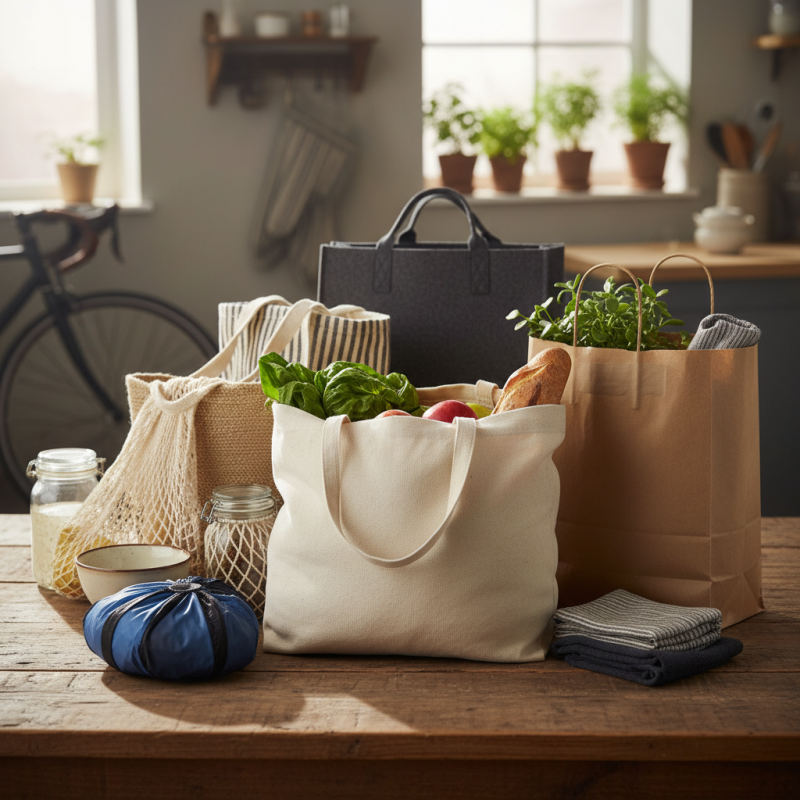
Cotton bags are popular due to their durability. They are reusable and eco-friendly, making them a favorite for many.
However, they can be cumbersome to carry if not packed well.
Plastic bags offer convenience, but they are not always the most sustainable choice.
Single-use options contribute to environmental waste. Instead, consider biodegradable plastic bags.
They break down more easily than traditional plastic. This option balances convenience with a lower environmental impact, but it requires careful disposal.
Paper bags are lightweight and recyclable. They suit products that are not overly heavy.
Yet, their susceptibility to moisture can be a drawback. Some bags may tear easily, leading to spills and inconvenience.
Reflect on your shopping habits. The right bag should align with your values and usage.
Think about the types of items you purchase regularly to ensure you make an informed decision.
Evaluating Material Choices for Durability and Environmental Impact
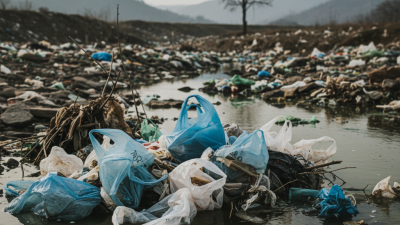
When selecting shopping bags, the choice of material is crucial. Statistics show that plastic bags contribute to significant environmental damage. Over 1 million marine creatures die each year due to plastic pollution. In contrast, reusable bags made from materials like cotton or jute present a more sustainable option. These materials often have a lesser carbon footprint.
Cotton bags, for example, can be used several times, reducing the overall demand for single-use plastic. However, it’s essential to note that the production of cotton may require large amounts of water and pesticides. Reports indicate that it takes about 2,700 liters of water to produce one cotton t-shirt. This raises questions about balance when choosing a bag.
Jute is another alternative with a lower environmental impact. It is biodegradable, unlike plastic. Jute production involves fewer chemicals, making it less harmful to ecosystems. However, jute bags may not be as durable as other materials if not cared for properly. Ultimately, understanding these impacts helps consumers make informed choices in bags.
Assessing Bag Size and Capacity for Various Shopping Activities
Choosing the right size and capacity for shopping bags can make all the difference in your shopping experience. When assessing bag size, consider the type of shopping you frequently do. For grocery trips, a larger bag with ample capacity is often necessary. Think about how much produce, dairy, and other items you buy. A bag that is too small can lead to multiple trips back and forth to the car or home.
For activities like clothing shopping, a smaller, stylish tote may suffice. It should fit comfortably under your arm and hold a few purchases without becoming cumbersome. However, it can be frustrating when items spill out or the bag cannot accommodate that unexpected extra dress. Reflecting on past experiences can help you determine what sizes work best for different types of shopping.
Weight is another critical factor. An empty bag might feel light, but once loaded, its weight can change your comfort level. Pay attention to how the weight is distributed. A well-designed bag can reduce strain. Lastly, consider how often you shop. Frequent shoppers might opt for bags with flexible sizes or even collapsible options. This flexibility can be a game changer.
Exploring Design Features for Comfort and Functionality
When selecting the right shopping bags, design features play a vital role in ensuring both comfort and functionality. A well-designed bag should distribute weight evenly. This helps to minimize strain on your shoulders, especially when carrying heavy items. Look for padded straps. They provide extra comfort during use.
Consider materials that are durable yet lightweight. A bag made from sturdy fabric will last longer and perform better under pressure. Waterproofing is also essential. It protects your belongings from unexpected spills or rain. A practical bag often includes additional pockets for organization. This feature allows easy access to smaller items, enhancing your overall shopping experience.
Remember to evaluate the size of the bag relative to your needs. A bag too large may feel cumbersome, while one that’s too small won't accommodate your purchases. The design should reflect a balance between aesthetics and practicality. Take time to reflect on your daily shopping habits. This insight guides you in choosing a bag that truly fits your lifestyle.
Considering Cost and Value: Budgeting for Quality Shopping Bags
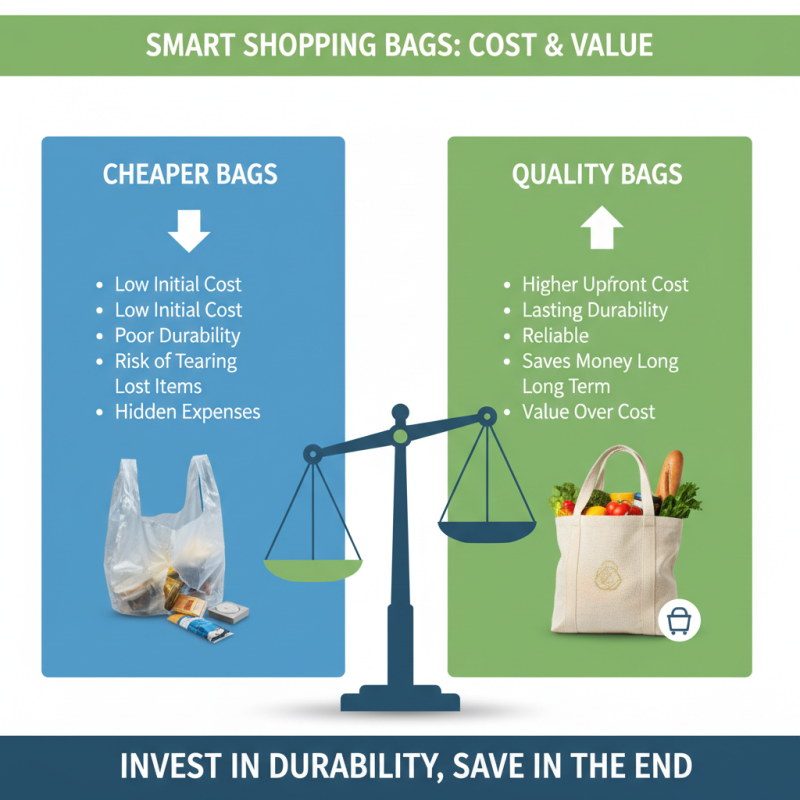
When selecting shopping bags, cost and value are paramount. Many people gravitate towards cheaper options at first glance. However, these bags often lack durability. A flimsy bag can tear, leading to lost items and unexpected expenses. Investing in quality bags might seem more expensive upfront, but it saves money in the long run. Valuing longevity over initial cost is crucial for budget-conscious shoppers.
Consider your shopping habits. Are you frequently buying bulk items or quick groceries? A sturdy, reusable bag is essential in these situations. It holds more weight and reduces the need for multiple bags. Think about the materials as well. Organic cotton or recycled materials often come at a higher cost, but they are better for the environment. Reflect on the trade-offs. Sometimes, cheaper options lure you in, only to fail quickly. Choose wisely to avoid frequent replacements.
A quality bag also speaks to your values. It reflects a conscious choice towards sustainability. Look for bags that align with your lifestyle. Consider not just the price, but what you’re getting in return. A good bag is an investment, a commitment to mindful shopping. Even if you occasionally make a poor choice, each experience builds towards better decision-making in the future.