2026 How to Choose the Best Tear-free Garbage Bags for Your Needs?
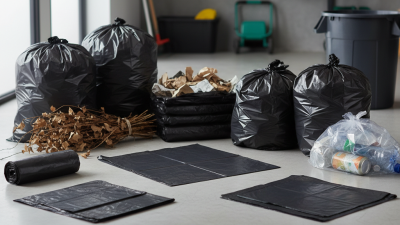
Choosing the right tear-free garbage bags can greatly enhance your waste management experience. Many factors contribute to making the best choice. Quality is essential; you don’t want bags that rip easily. A tear-free garbage bag should withstand sharp objects and heavy loads without failing.
Consider the size and strength of the bag. A larger bag might seem better, but it could also be too bulky for smaller bins. Think about your specific needs; some bags are designed for yard waste while others work well for kitchen trash. These distinctions matter when you're knee-deep in sorting waste.
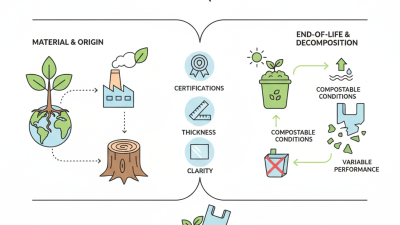
Additionally, reflect on the material used. Some bags are biodegradable, making them an eco-friendly option. However, these may not always be tear-free. It can be a challenge to find a perfect balance between sustainability and durability. Ultimately, the best tear-free garbage bags for your needs will depend on how you prioritize these factors.
Understanding Tear-free Garbage Bags: What They Are and Why They Matter
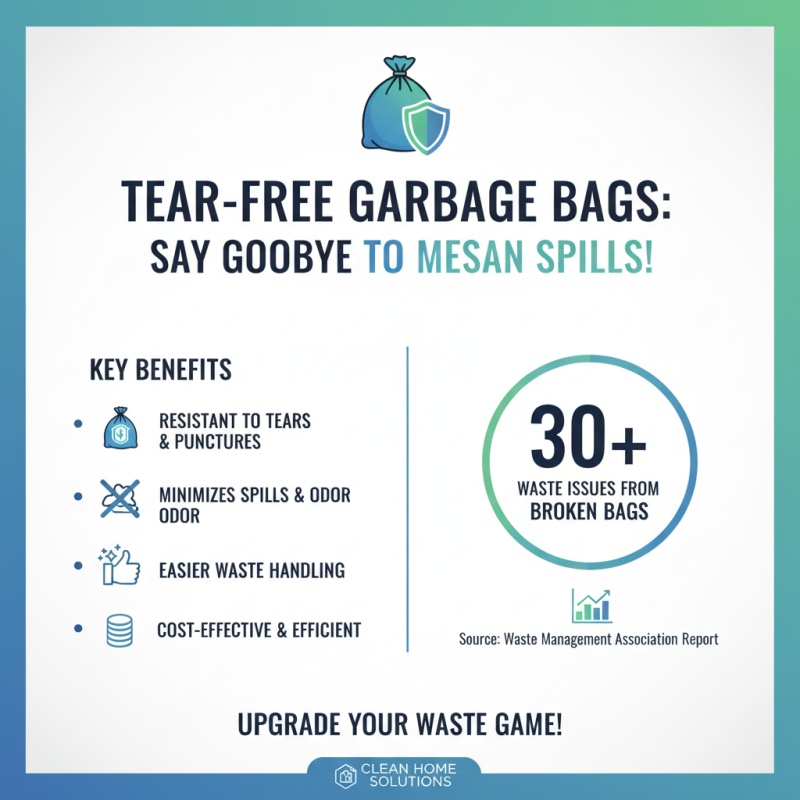
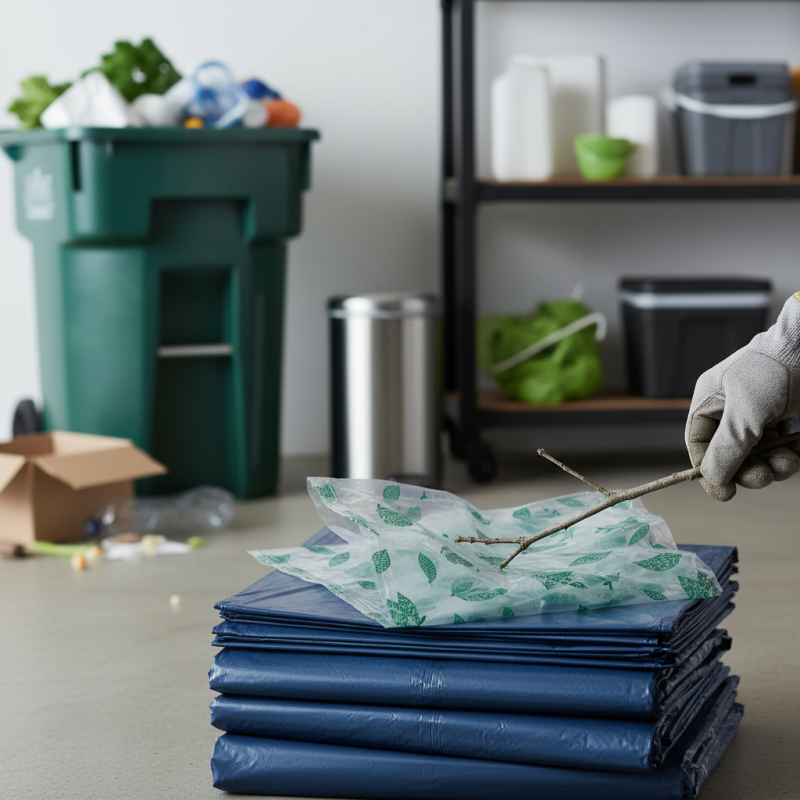
Tear-free garbage bags are essential for maintaining cleanliness and ease in handling waste. These bags are designed to resist tears and punctures, minimizing spills and mess during disposal. A report by the Waste Management Association highlights that over 30% of waste disposal issues stem from broken bags. Choosing the right bag can make a significant impact on managing waste effectively.
When selecting tear-free garbage bags, consider the weight capacity. A bag that can hold at least 13 gallons is ideal for most household needs. Additionally, thicker materials provide enhanced durability. Many users underestimate the importance of bag strength. Remember, a single tear can lead to an unpleasant cleanup.
Here are a few tips: Always check the material type; polyethylene offers better resistance. Avoid overstuffing bags, as this increases the risk of tearing. Regularly evaluate your waste generation to ensure you select the appropriate size. Small adjustments to your disposal habits can lead to more efficient waste management, contributing to a cleaner environment. Be mindful that not all tear-free claims are equal; some bags may still fail under heavy loads.
Key Features to Consider When Choosing Tear-free Garbage Bags
When selecting tear-free garbage bags, consider the material. A strong,
puncture-resistant material is essential. Look for bags that can hold sharp objects without breaking. Some materials
stretch better than others, providing additional durability during
use. This helps prevent unpleasant spills and leaks.
Another important feature is the bag's thickness. A thicker bag
usually indicates better strength, which is crucial for heavy loads. However, they can sometimes be cumbersome. Finding
the right balance between thickness and flexibility can be challenging. You may need to try a few options before
settling on the best fit for your needs.
Lastly, closure type matters. Many bags come with drawstrings
or ties that provide a secure seal. This can be useful for odors and mess management. Some people prefer open bags
for ease but face the risk of spills. It’s good to reflect on your waste disposal habits to make the best choice.
Understanding your specific needs will guide you towards the right tear-free garbage bags.
Evaluating the Material: Plastic Types and Their Strengths
Choosing the right tear-free garbage bags involves understanding the materials used. Commonly, garbage bags are made from different types of plastics. Each type has its own strengths and weaknesses, which can affect your choice.
High-density polyethylene (HDPE) bags are strong and puncture-resistant. They work well for sharp or heavy items. These bags are often used in kitchens and outdoor settings. Low-density polyethylene (LDPE) bags are more flexible but less durable than HDPE. They are great for lighter loads but may tear easily if overstuffed. Knowing what type suits your needs is important.
Consider the thickness of the bags as well. Thicker options usually provide better strength. However, if you're environmentally conscious, thinner options may seem like a good choice. It's a trade-off between durability and sustainability. Lastly, take time to reflect on your trash disposal habits. Do you need tear-free features often? Evaluating this can help you select the best option.
Comparison of Tear-free Garbage Bag Materials
Size and Capacity: Finding the Right Fit for Your Waste Needs
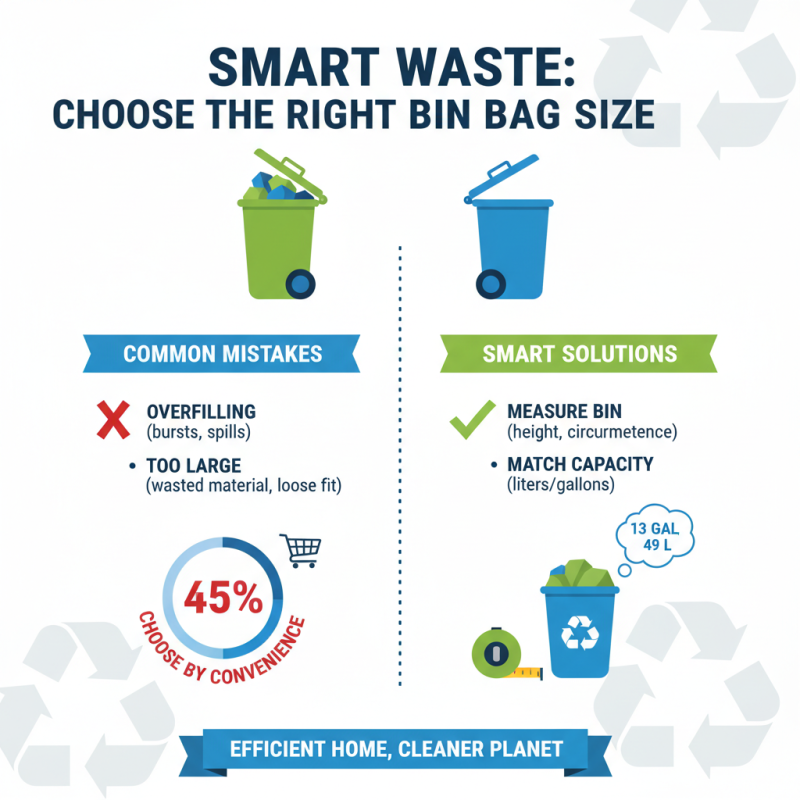
Choosing the right garbage bag size and capacity is crucial for efficient waste management. Many households overlook this aspect, leading to ineffective disposal solutions. A recent industry report reveals that 45% of consumers choose bags based solely on convenience rather than actual needs. This often results in overfilled bags or excessive waste.
Standard garbage bags typically hold about 13 gallons. However, many households generate more waste than that. A study indicated that on average, a family of four produces around 25 pounds of waste weekly. It may require larger bags or multiple smaller bags to effectively manage this volume. Choosing the right size means assessing your garbage output accurately.
Another aspect to consider is the bag's strength and thickness. Thinner bags may split, spilling waste, while overly thick bags can be cumbersome. An ideal choice would balance durability with ease of use. Studies suggest that households using appropriately sized bags report a 30% decrease in mess-related issues. It's a simple yet often neglected detail that impacts daily waste management significantly.
Eco-friendly Options: Sustainable Choices for Tear-free Garbage Bags
When selecting tear-free garbage bags, eco-friendly options stand out. Sustainable choices are not just a trend; they are essential for our planet. Reports indicate that plastic waste contributes to enormous environmental issues. In fact, an estimated 300 million tons of plastic are produced globally each year. Of this, a significant portion ends up in landfills, harming wildlife and ecosystems.
Many consumers overlook biodegradable options. These bags break down more quickly than standard plastic. A study by the Environmental Protection Agency noted that biodegradable materials can reduce landfill waste by approximately 30%. Consider choosing bags made from recycled materials. They offer durability and decrease the demand for new plastic production.
**Tips for making sustainable choices:** Always look for certifications that verify eco-friendliness. Reading reviews can offer insight into a bag's performance. Additionally, consider the size of the bags. A well-fitted bag reduces the chances of tears. Also, larger bags may tempt you to overload them, leading to failure. Reflect on what you truly need for your waste management. The smallest choices can make a significant impact on reducing waste.
2026 How to Choose the Best Tear-free Garbage Bags for Your Needs? - Eco-friendly Options: Sustainable Choices for Tear-free Garbage Bags
| Type of Garbage Bag |
Material |
Tear Resistance (Rating) |
Capacity (Gallons) |
Eco-Friendly Certification |
| Standard Tear-free |
HDPE |
8/10 |
13 |
Yes |
| Heavy Duty |
LDPE |
9/10 |
30 |
Yes |
| Compostable |
PLA |
7/10 |
13 |
Yes |
| Biodegradable |
Corn Starch |
8/10 |
13 |
Yes |
| Recycled Plastic |
Recycled HDPE |
8/10 |
13 |
Yes |