What is the Purpose of Disposable Bags and Their Environmental Impact?
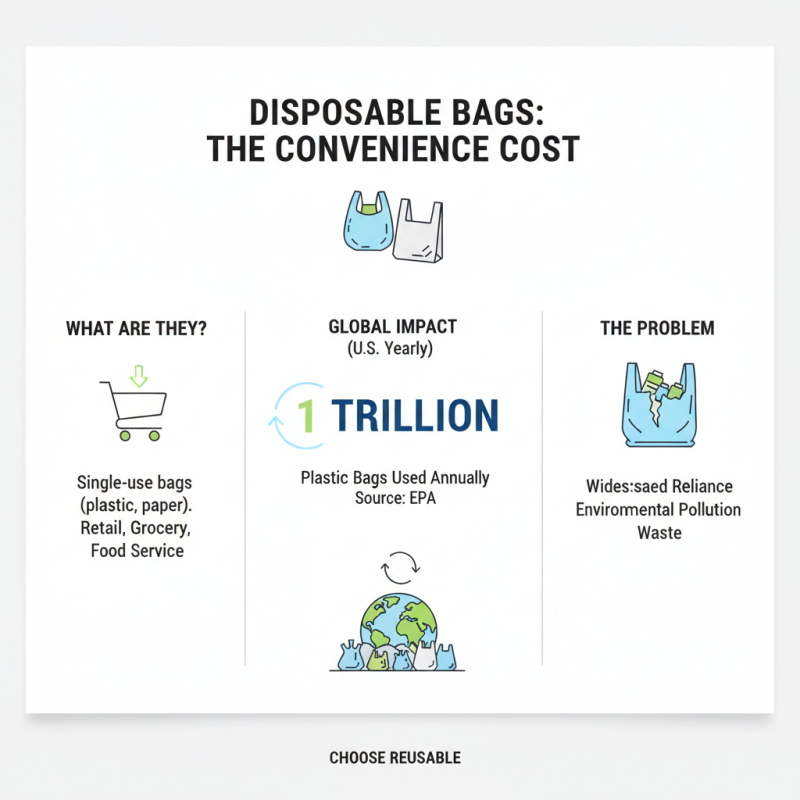
Disposable bags serve a specific purpose in modern consumer habits. They provide a convenient solution for carrying goods. However, their environmental impact raises significant concerns. According to the Environmental Protection Agency, thousands of tons of disposable bags litter landscapes each year.
Expert Dr. Laura Simmons states, "The convenience of disposable bags often overshadows their lasting damage." Her research highlights the need for better waste management practices. A staggering 1 trillion plastic bags are used globally every year. Most of these do not decompose and can persist in the environment for centuries.
The clear irony lies in their convenience versus their environmental cost. Many consumers overlook the long-term effects of plastic pollution. It's essential to address these challenges. Awareness and action are vital in reshaping our approach to disposable bags. By prioritizing sustainable alternatives, we can tackle this pressing issue.
Overview of Disposable Bags: Definition and Common Uses
Disposable bags are defined as single-use bags made from materials like plastic or paper. They are commonly used in retail, grocery, and food service sectors. According to the Environmental Protection Agency, approximately 1 trillion plastic bags are used each year in the United States alone. This staggering number highlights the widespread reliance on disposable bags for convenience.
While disposable bags serve a practical purpose, their environmental impact is significant. Plastic bags can take hundreds of years to decompose, leading to increased pollution and harm to wildlife. Reports indicate that about 1 million marine creatures die each year due to plastic debris. This raises serious questions about the long-term sustainability of using disposable bags.
Tips: Consider reusable alternatives whenever possible. They are often made from durable materials and can reduce waste. Additionally, educate others about the benefits of reducing single-use items. Small changes can lead to a big impact. Reflect on personal habits—how many disposable bags do you use weekly? Making conscious choices can contribute to environmental health.
Types of Disposable Bags: Materials and Manufacturing Processes
Disposable bags are often made from various materials, each with distinct manufacturing processes. Common types include plastic, paper, and biodegradable bags. According to the Plastics Industry Association, around 368 million tons of plastic are produced annually. Most plastic bags are made from polyethylene, a product derived from fossil fuels. The production process involves polymerization, where small molecules combine to form large chains. This energy-intensive process contributes to greenhouse gas emissions.
Paper bags, on the other hand, come from wood pulp. The manufacturing process involves cutting trees, pulping, and forming sheets. While paper bags are often viewed as eco-friendlier, their production can lead to deforestation and requires significant water and energy. The Paper and Paperboard Packaging Environmental Council states that paper production uses about 4% of global energy and contributes to waste if not recyclable.
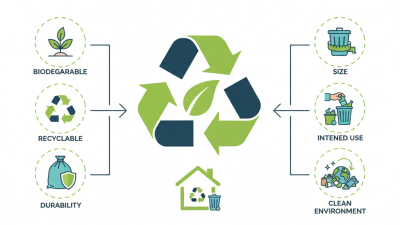
Biodegradable bags present an alternative but aren't a perfect solution. They generally decompose within months but require specific conditions not found in all environments. Research from the European Bioplastics organization shows that while their production is less harmful, they still utilize land and resources that could be used for food. This brings forth complex questions about sustainability and resource allocation in our modern society.
Environmental Impact of Disposable Bags: Pollution and Waste Issues
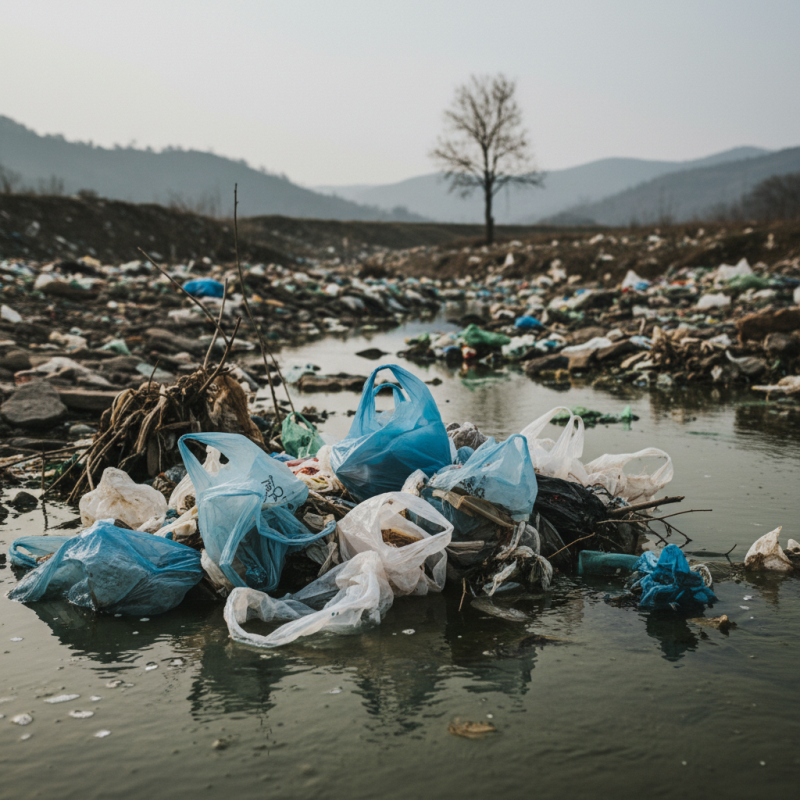
Disposable bags serve a practical purpose for convenience and ease in shopping. However, their widespread use leads to significant environmental challenges. These bags often end up in landfills and oceans, contributing to pollution. Millions of bags are used daily, and many are single-use. They can take hundreds of years to decompose, releasing toxins in the process.
The pollution caused by disposable bags poses serious risks to wildlife. Animals often ingest plastic bags, mistaking them for food. This can lead to injury, starvation, or death. In addition, when these bags break down into microplastics, they contaminate soil and waterways. This issue affects plant life and ultimately enters the food chain.
People need to reflect on their consumption habits. While disposable bags provide short-term solutions, their long-term effects are detrimental. As individuals, we can choose to reduce our reliance on these products. Opting for reusable bags can significantly decrease plastic pollution. Small changes in behavior can lead to a more sustainable future for our planet.
Alternatives to Disposable Bags: Eco-Friendly Solutions and Practices
Disposable bags serve a purpose in convenience. They help with shopping and waste disposal. Yet, their environmental impact is significant. Many end up in landfills, harming wildlife and ecosystems. Alternatives offer hope for a greener future.
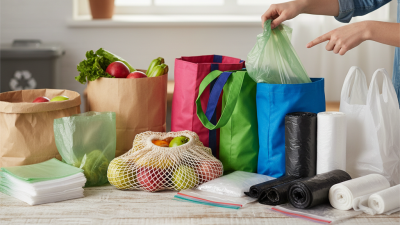
Reusable bags are a great option. They come in various materials, from cotton to recycled plastics. Using them means reducing the number of disposable bags in circulation. Some people forget to bring their bags. It's a reminder we need to be more mindful.
Biodegradable bags are another alternative. They break down more quickly than traditional plastics. However, they still require specific conditions to decompose fully. Compostable options also exist. They can turn into nutrient-rich soil. Yet, there's still a need for awareness. Not all composting facilities accept them. It’s essential to know your local guidelines.
Regulations and Policies: Addressing Disposable Bag Use Globally
The use of disposable bags has surged globally, prompting various regulations to manage their impact. Many countries and regions have implemented bans or taxes on plastic bags. These policies aim to reduce plastic waste in landfills and oceans. While these initiatives are necessary, their effective execution remains a challenge. Some areas have seen a shift towards reusable bags, but not everyone participates.
Tips: Always opt for reusable bags when shopping. They can significantly decrease your plastic footprint. It’s vital to remember to bring them along each time.
In some regions, implementing a deposit scheme for disposable bags has shown positive results. Customers return bags for a refund, promoting recycling. However, enforcement and public acceptance can vary. Some individuals may overlook the importance of these measures and continue relying on single-use bags, creating a disconnect.
Tips: Educate friends about the impacts of disposable bags. Small conversations can spark larger changes. Familiarize yourself with local policies to stay informed.