How to Choose Eco Friendly Gloves for Your Business Needs?
Choosing the right Eco Friendly Gloves for your business is more important than ever. With growing environmental concerns, businesses are under pressure to make sustainable choices. According to Dr. Lisa Green, an expert in sustainable materials, "Eco Friendly Gloves protect not only our hands but also our planet." This highlights the dual benefit of sustainable products.
Eco Friendly Gloves come in various materials and designs. Biodegradable options are now widely available. Latex and nitrile alternatives can be sourced sustainably, reducing environmental impact. Yet, the market is flooded with choices. It’s essential to understand your specific needs before making a decision.
Factors like durability, comfort, and cost-effectiveness also matter. Many businesses struggle to balance sustainability with practicality. A thorough evaluation of options will lead to better choices. Remember, every small step towards eco-friendliness counts. While there may not be a perfect solution, striving for improvement can lead to significant change.

Factors to Consider When Selecting Eco-Friendly Gloves
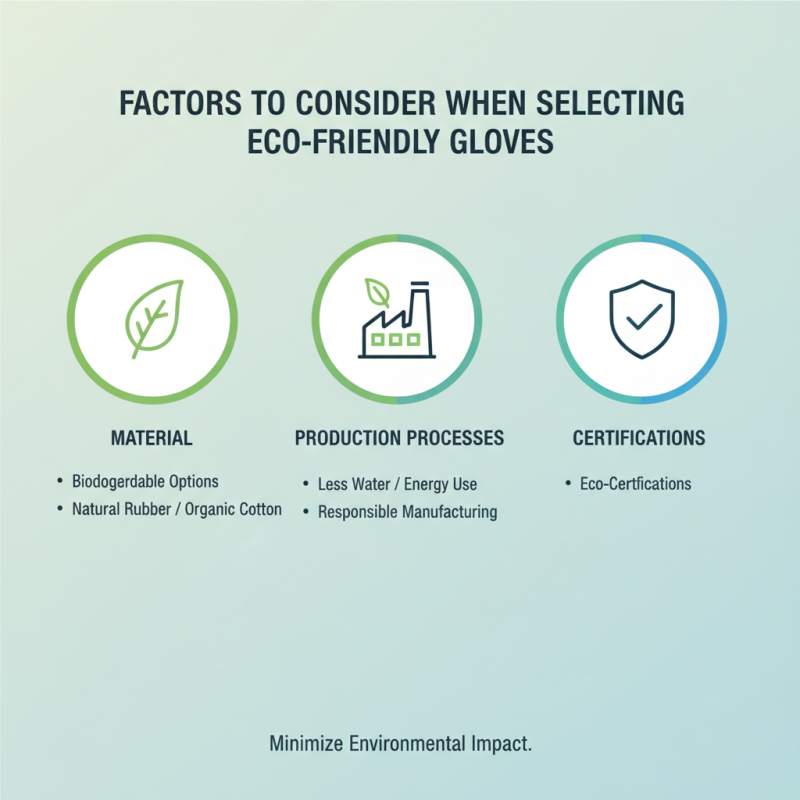
Choosing eco-friendly gloves for your business involves several key factors. Material is crucial. Look for biodegradable options like natural rubber or organic cotton. These materials decompose better than synthetic alternatives, minimizing landfill impact. Consider the production processes as well. Environmentally responsible manufacturers use less water and energy. Eco-certifications can guide you to better choices.
Comfort and functionality are also important. Gloves should provide a good fit and grip for tasks. Poorly fitting gloves can lead to accidents or reduced productivity. Don’t overlook the environmental impact of packaging. Opt for suppliers that minimize waste in their shipping materials.
Price can be a factor too. Eco-friendly gloves may cost more upfront. However, investing in sustainable options often pays off in the long term. Reflect on your choices and consider the broader environmental implications. Are your selections actively contributing to sustainability? Choose wisely, even if it requires more effort.
Types of Eco-Friendly Materials Used in Glove Production
When selecting eco-friendly gloves for business needs, the type of material is a critical factor. Various sustainable materials are available in glove production. For instance, natural rubber is biodegradable and provides decent grip. Synthetic alternatives, like recycled polyester, reduce waste. Bamboo fibers are another option, offering softness and breathability.
Tips: Consider the durability of materials. While some eco-friendly options may not last as long, they are better for the environment. It's also essential to assess the gloves' performance. Sometimes, sacrificing performance for sustainability may lead to challenges in daily operations.
Organic cotton is a popular choice, known for its comfort and low environmental impact. However, check for other qualities like certifications. Not all organic cotton is created equal. This assessment can guide you toward reliable suppliers. Overall, balancing sustainability with functionality requires careful thought and consideration.
Eco-Friendly Glove Materials Used in Production
Assessing the Environmental Certifications of Glove Brands
When selecting eco-friendly gloves, examining the environmental certifications of glove brands is crucial. Certifications serve as a reliable benchmark, guiding businesses toward sustainable choices. Look for recognized certifications like FSC or Biodegradable. These symbols indicate that the gloves meet specific environmental standards. It’s important to understand what each certification entails. Not all certified products are created equal.
Conduct thorough research on the claims made by different brands. Sometimes, certifications can be misleading or too vague. Compare the materials used in the gloves. Organic cotton or biodegradable materials are better options. However, some companies may rely on synthetic alternatives, leading to environmental concerns. Ensure the sourcing is transparent. If information is scarce, question the brand’s commitment to sustainability.
Assess the lifecycle impact of the gloves as well. Consider how they are produced and disposed of. Gloves with a shorter lifespan can contribute to waste. Evaluate the company’s overall environmental policy. A brand may have one eco-friendly product, but what about the rest? This holistic approach helps you make informed decisions for your business needs.
Evaluating Durability and Performance of Eco-Friendly Gloves
When evaluating eco-friendly gloves for your business, durability and performance are crucial factors. The materials used in these gloves largely determine how well they withstand wear and tear. Look for gloves made from natural rubber, bamboo, or recycled materials. These options tend to be more resilient than traditional materials. Ensure the gloves can endure different tasks without frequent replacements.
Tips: Test the gloves in your working environment. Observe how they perform under pressure. Check for wear after a few uses. Are they still comfortable? Consider feedback from your team. Their experiences can provide insights into versatility and comfort during long hours of use.
Performance also hinges on grip and dexterity. Eco-friendly gloves should offer a good balance between protection and tactile sensitivity. A glove that is too bulky might inhibit movement. However, the right fit can boost productivity. Choose gloves that enhance your team’s efficiency while being kind to the planet.
Tips: Experiment with various styles. Pay attention to how easily your team can maneuver tools while wearing them. Remember, the right glove should protect, but not impede productivity. Evaluate feedback to narrow down the best options.
Cost-Effectiveness of Eco-Friendly Gloves for Businesses
Cost-effectiveness is a crucial factor when selecting eco-friendly gloves for business operations. While these gloves may initially have a higher price tag, their long-term benefits can outweigh the costs. They often last longer than conventional options, reducing the frequency of repurchases. This durability contributes to cost savings over time.
Moreover, using eco-friendly gloves can enhance your brand image. Consumers today prefer sustainable businesses. Providing eco-conscious products aligns with their values and can create customer loyalty. This loyalty can lead to increased sales, offsetting the initial investment in more expensive gloves.
However, it’s vital to assess the functionality of these gloves. Not all eco-friendly materials offer the same level of protection or comfort. Businesses may need to experiment with different options to find the right balance between sustainability and performance. This trial and error can sometimes lead to increased costs or dissatisfaction among employees. Always consult reliable sources and consider feedback from your team when making your selection.
How to Choose Eco Friendly Gloves for Your Business Needs? - Cost-Effectiveness of Eco-Friendly Gloves for Businesses
| Glove Type |
Material |
Cost per Pair |
Durability (Uses) |
Biodegradability |
Certification |
| Nitrile Gloves |
Synthetic Nitrile |
$15 |
30 |
No |
ASTM |
| Latex Gloves |
Natural Rubber |
$12 |
25 |
Yes |
FDA |
| Vinyl Gloves |
Polyvinyl Chloride |
$10 |
20 |
No |
ISO |
| Biodegradable Gloves |
Cornstarch & PLA |
$18 |
15 |
Yes |
Compostable |
| Recycled Gloves |
Recycled Materials |
$20 |
35 |
Yes |
Recycled Standard |